How to Store Coffee After Roasting for Freshness and Flavor Preservation
After roasting your coffee, the way you store it can totally change how fresh and tasty it stays. If you want great flavor, stash your coffee in an airtight container and keep it away from light, heat, and moisture.
This protects your beans from stuff that can make them lose their magic way too fast. Freshly roasted coffee needs to let off some gas, so a container with a one-way valve is a clever pick.
Keeping your beans in a cool, dark spot helps slow down the loss of aroma and taste. It’s a small effort for a much better cup.
Best Practices for Storing Freshly Roasted Coffee
If you want your coffee to taste great, you really have to think about storage. The container, the temperature, humidity—these all matter for keeping things fresh.
Choosing the Right Storage Container
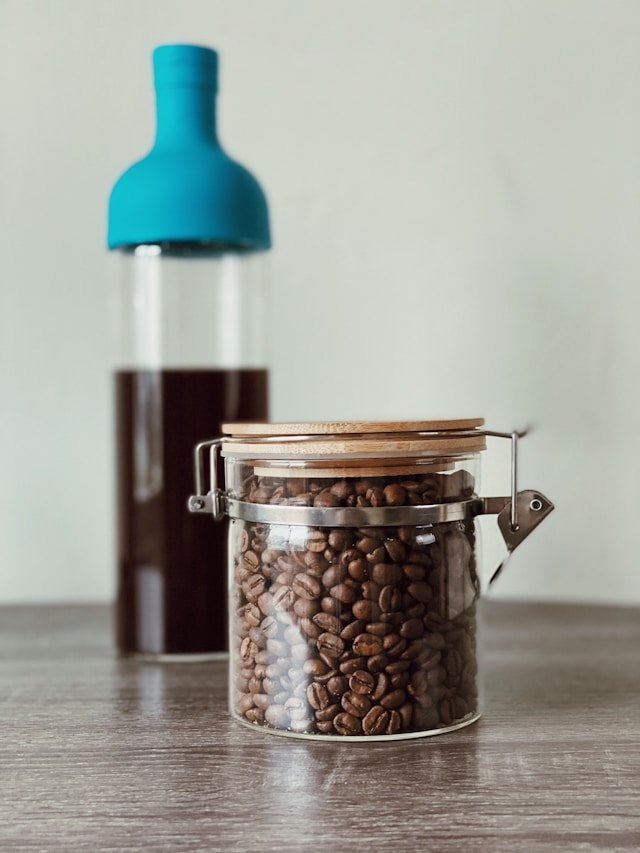
You’ll want an airtight container for your beans. Glass, ceramic, or stainless steel are solid choices—they don’t soak up smells or let air sneak in.
Skip plastic bags or anything that can’t seal up tight. If you can, go for a container with a one-way valve.
That valve lets carbon dioxide escape from fresh beans but keeps oxygen out, so your coffee stays lively longer. If the bag your coffee came in doesn’t seal well, transfer those beans pretty soon after opening.
Controlling Temperature and Humidity
Store your coffee somewhere cool and dry. Aim for room temperature or a bit cooler—think 60°F to 75°F (15°C to 24°C).
Stay away from spots with wild temperature swings, like next to ovens or sunny windows. Humidity speeds up the decline, so try to keep it under 60% if you can.
Moisture can wreck the flavor and even lead to mold. Don’t keep your coffee in the fridge or freezer for daily use.
Temperature changes cause condensation, and that’s not your friend. If you do freeze coffee, only freeze it once and make sure it’s in something airtight.
Protecting Coffee from Light and Air
Light makes coffee stale faster. Use a dark container or tuck your beans away from sunlight.
If you only have clear containers, stash them in a cupboard instead of leaving them out. Air is the real enemy here.
Even a little oxygen can make your beans go stale in no time. Always seal your container tightly after scooping.
If you buy coffee in bulk, split it into smaller containers. Only open what you’ll use soon, and the rest stays fresher.
Short-Term vs. Long-Term Coffee Storage
How long you plan to keep your coffee changes everything about storage. If you’re drinking it soon, you can keep things simple.
Differences in Shelf Life
Short-term storage—let’s say up to two weeks—means just protecting your beans from air, light, heat, and moisture. Use an airtight, opaque container and keep it in a cool, dark place like a cupboard.
Whole beans last longer than ground coffee, so wait to grind until you’re ready to brew. For long-term storage, like months or more, you’ll need to get serious.
Vacuum seal your beans or use Mylar bags with oxygen absorbers to block out air and moisture. Storage should stay cool and dark.
Since beans release gases after roasting, let them degas or store them without air exposure.
Freezing Coffee Beans
Freezing can work for long-term storage if you do it right. Vacuum seal your beans or use airtight containers to avoid freezer burn and moisture.
Break your coffee into small portions so you’re not constantly thawing and refreezing. That ruins the flavor.
Don’t freeze coffee over and over. Once you thaw beans, condensation can mess with freshness.
Keep frozen coffee sealed and only grab what you need right before brewing. Done well, this keeps your beans tasting good for a long time.
Impact of Frequent Opening
Opening your coffee container a lot makes your beans stale faster. Every time you let air in, you lose aroma and flavor.
That’s why using small containers or portioning your coffee makes sense—you only open what you’ll use soon. For short-term storage, an airtight container with a one-way valve is best.
If you’re storing coffee for longer, don’t open the container until you actually need the beans. Less air means more freshness.
Maintaining Coffee Flavor and Aroma
If you want your coffee to keep its best flavor and aroma, you have to slow down the stuff that ruins it. Keeping out weird smells and stopping moisture are both crucial.
Avoiding Contamination from Surroundings
Coffee is like a sponge for odors. Don’t store it near strong smells—spices, cleaning stuff, onions, you name it.
Those odors can sneak in and mess with the taste. Airtight containers are your best bet here.
Glass, ceramic, or stainless steel with tight lids work best. Avoid clear containers if you can, since light isn’t great for flavor either.
Keep your container in a cool, dry spot, away from sunlight and heat. That’s how you keep your coffee’s aroma and taste hanging around longer.
Preventing Moisture Absorption
Moisture is honestly one of the biggest enemies of roasted coffee. Once water sneaks in, it starts breaking down the beans.
That means stale flavors and a loss of aroma—pretty disappointing if you ask me.
Always stash your coffee in airtight containers that actually keep out humidity. If you live somewhere humid, you might want to toss a silica gel packet near the container (but please, not in with the beans).
Try not to open the container more than you have to. When you do, scoop out what you need and seal it up fast.
I wouldn’t recommend storing coffee in the fridge or freezer unless you’ve got a ton you won’t use for weeks. The temperature swings can cause condensation inside the container, and that just adds more moisture to the beans.