Are Coffee Beans Cheaper Than Ground Coffee? A Simple Cost Comparison
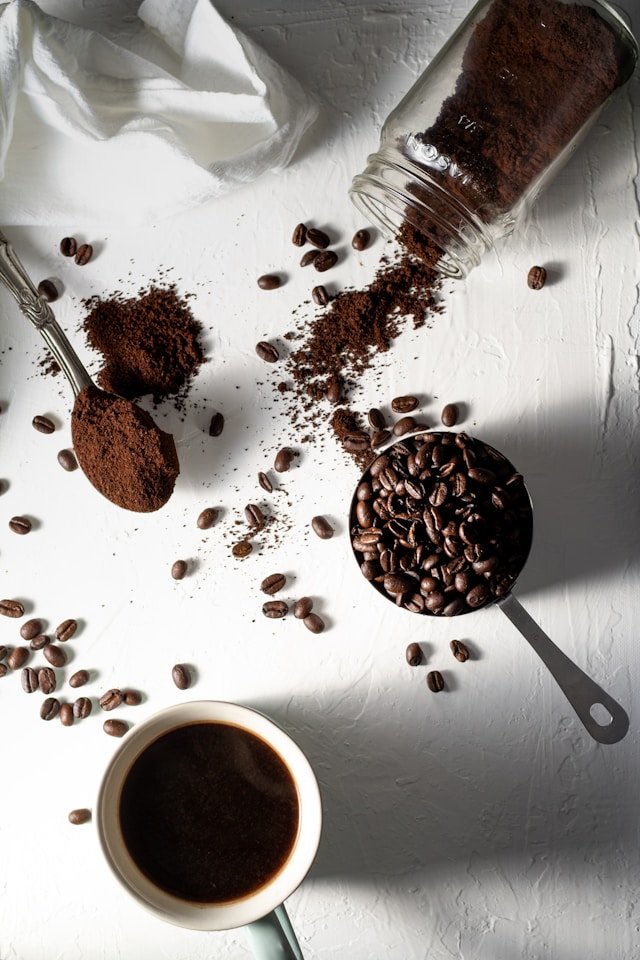
If you love coffee but want to save a little cash, you might wonder if it’s smarter to buy whole beans or ground coffee. Honestly, coffee beans usually cost less per pound than ground coffee and can save you money over time.
Whole beans often come in bigger bags and stay fresh longer, so you squeeze more value out of each purchase. Of course, you’ll need a grinder, but the payoff is fresher, richer coffee.
When you grind beans yourself, you lock in those flavors that pre-ground coffee just can’t match. If you want a better cup and a smarter way to spend, whole beans might be the move.
Buying whole beans in bulk can cut costs even further. Ground coffee is convenient, but you pay for that with extra processing and packaging.
Price Comparison Between Coffee Beans and Ground Coffee
When you compare prices, coffee beans and ground coffee differ in what you’ll pay per pound. Your buying habits and the type of coffee matter, too.
The quality and brand play a big part in how much you’ll spend. Let’s dig into the details.
Retail Price Differences
Coffee beans usually cost less per pound than ground coffee at most stores. For example, whole beans might run you $10 to $15 per pound, while ground coffee often lands between $12 and $18 per pound.
The grinding process adds steps and packaging, which bumps up the price. With whole beans, you get fresher coffee since they hold their flavor longer.
You also get more control over your brew, which can make a real difference in taste. You’ll need to buy a grinder, though, so there’s a bit of an upfront cost.
Bulk Purchasing Considerations
If you buy coffee in bulk, whole beans often offer better savings over time. Many stores and online sellers give discounts if you buy several pounds at once, so your price per pound drops.
Ground coffee doesn’t always get the same bulk discounts because it just doesn’t last as long. It can lose flavor quickly, so buying too much could lead to waste.
Beans stay fresh longer, so buying in bulk is safer and usually more cost-effective if you drink coffee regularly.
Brand and Quality Impact on Cost
The price you pay depends a lot on brand and coffee quality. High-end brands usually charge more for both beans and ground coffee because they use better beans or special roasting methods.
Some cheaper ground coffee comes from lower quality beans or older roasts, so you might sacrifice flavor. If you pick premium whole beans, the price goes up, but you often get what you pay for when it comes to freshness and taste.
You can find budget-friendly options in both forms, but paying attention to brand and quality helps you get the most bang for your buck.
Factors Affecting the Cost of Coffee
When you buy coffee, a bunch of things influence the price. How it’s processed and packaged, shipping costs, and shelf life all come into play.
It’s worth knowing these factors if you want to spot better deals and avoid wasting money.
Processing and Packaging Expenses
How coffee gets prepared affects its cost. Whole beans need different processing than ground coffee.
Grinding adds an extra step, which can drive up the price. Ground coffee usually comes in airtight bags or containers with nitrogen to keep it fresh, and that kind of packaging isn’t cheap.
Whole beans usually come in bigger bags with simpler packaging since they last longer. That can make your purchase cheaper per pound, especially if you buy in bulk.
But the convenience of ready-to-use ground coffee sometimes justifies the higher price for some folks.
Distribution and Storage Costs
Getting coffee from farms to your kitchen isn’t free. Shipping and storage costs add up.
Larger, heavier packages cost more to ship. Ground coffee often comes in smaller bags, which can make shipping pricier per ounce.
Beans keep their quality longer in storage, so suppliers don’t have to rush them out the door. Ground coffee loses its fresh taste faster, so sellers might rotate stock quickly, which can bump up costs.
If you buy in bulk or from places that store their coffee well, you might save money and keep your coffee fresher.
Shelf Life and Waste
How long your coffee stays fresh really matters for your wallet. Whole beans keep their flavor for weeks or even months if you store them right.
Ground coffee usually starts losing its taste within days after you open it. Because ground coffee goes stale quickly, you might end up tossing more than you use.
Buying whole beans lets you grind just what you need, which means less waste and more value.
Tip: Store your beans or grounds in a cool, airtight container. It makes a difference.
How to Save Money on Coffee Purchases
Saving money on coffee comes down to making smart choices—how you buy, how you prepare, and where you shop.
You can cut costs by grinding your own beans, picking the right seller, and looking for discounts or rewards.
Grinding Your Own Coffee
Buying whole beans and grinding them yourself can save you cash. Whole beans often cost less per pound than pre-ground coffee.
Plus, you get fresher coffee and better flavor without paying extra for quality. A simple grinder is a one-time buy that pays for itself pretty quickly.
You control the grind size, so you can match it to your brewing style and avoid wasting coffee that’s ground too fine or too coarse.
Grinding your own coffee also lets you buy in bulk, which usually means a lower price per pound. Just keep your beans in an airtight container, away from heat and light, so they stay fresh.
Choosing Between Local and Online Sellers
Where you buy coffee really impacts the price. Local stores offer quick access, but they might charge more because of higher overhead.
Online sellers often have better prices since they move more volume and ship straight to you. You can find bulk deals or specialty beans that might be cheaper than what’s on local shelves.
Compare prices and factor in shipping costs if you buy online. Look for sellers with good reviews and fair return policies.
Some subscription services throw in discounts if you buy regularly, which could be worth a look.
Sales, Coupons, and Loyalty Programs
Keep an eye out for sales at your local stores and online shops. These deals usually pop up around holidays or special events, and you might snag 10-30% off the regular price if you time it right.
Coupons can stack up some extra savings, especially if you already have a favorite brand. Try signing up for newsletters or browsing coupon sites before you buy—sometimes you’ll find a deal you didn’t expect.
If you’re buying coffee regularly, it’s worth joining loyalty programs. A lot of coffee sellers hand out points, discounts, or even freebies to folks who come back often. Over time, that can really add up, and honestly, who doesn’t like a little reward for sticking with what they love?