How to Tell if Coffee Beans Are Oily: Simple Signs & Causes
Ever pick up your coffee beans and notice a slick, shiny film? You’re definitely not the only one.
Oily coffee beans usually mean the beans got a darker roast, which brings natural oils to the surface. That oiliness can change the taste and even how long your coffee stays fresh, but oily doesn’t always mean bad.
Figuring out if your oily beans are fresh or past their prime helps you get the best out of your cup.
The amount of oil, roast level, and even how you store the beans all play a part in whether those shiny spots are a good thing or a warning sign.
Visual and Tactile Signs of Oily Coffee Beans
When you check your beans, oily ones are pretty easy to spot if you know what to look for.
You might see shiny surfaces, feel a bit of grease on your fingers, or even spot some marks on the bag.
These little details tell you a lot about roast level and freshness.
They can also clue you in on how the beans will behave when you grind and brew them.
Spotting Glossy or Shiny Surfaces
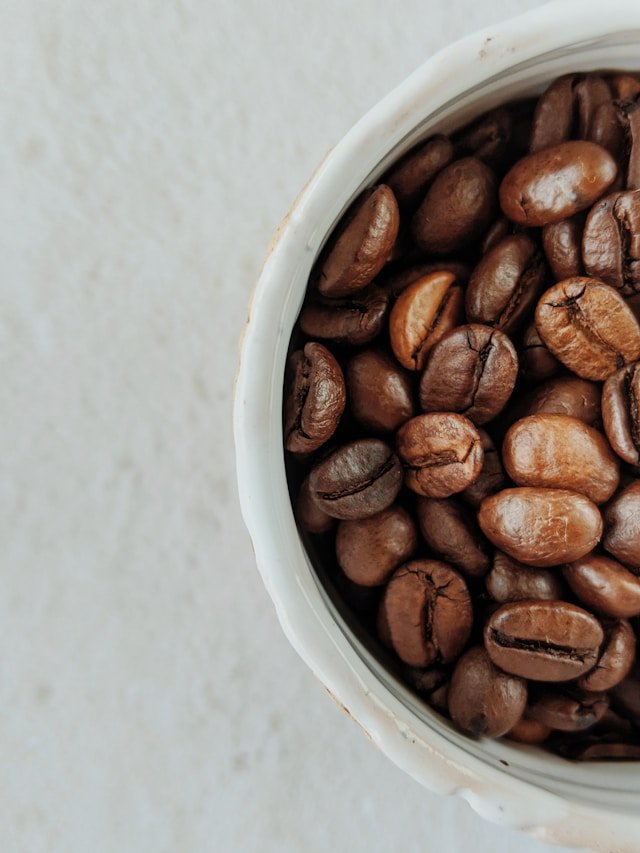
Oily beans usually have a noticeable shine or gloss that sets them apart from dry, matte ones.
That sheen pops up because roasting pushes natural oils from inside the bean out to the surface, especially with darker roasts.
Hold them up to the light—if they reflect or look slick, that’s classic oiliness.
Shiny beans aren’t automatically bad; they just lean darker or longer in the roast.
If the beans look super wet or sticky, though, they might be over-roasted or starting to break down.
Uneven shine could mean inconsistent roasting, so use that as a quick visual check for quality.
Feeling for Oil Residue by Touch
Grab a few beans and rub them between your fingers.
Fresh oily beans will leave a slight greasy or slick residue, but they shouldn’t feel sticky or overly wet.
If the texture feels sticky or thick, the beans might be old or stored wrong.
Oils can rise and oxidize over time, messing with both flavor and smell.
This touch test is handy if the bag doesn’t show much gloss.
It also helps you figure out if the oils might gum up your grinder or brewing gear.
Noticing Oily Marks on Coffee Packaging
Sometimes, the oils seep onto the inside or even the outside of the bag.
Look for dark, greasy spots or stains, especially on softer or paper-based packaging.
Those marks mean the beans have more oil or got a denser roast.
They aren’t a sign of spoilage, but you might want to store them carefully to avoid rancid flavors.
If you spot oil stains on the outside of a sealed bag, it could point to packaging problems or long storage.
In clear bags, oil pooling along the edges is another sign the oils are migrating out.
What Causes Oiliness in Coffee Beans?
The oiliness you see comes from a few things: how the beans are roasted, the type of bean, and how you store them.
Each factor changes how much oil ends up on the surface.
Impact of Roasting Levels
Roasting makes the biggest difference here.
When beans roast, their internal oils break down and move to the surface, and this ramps up with darker roasts.
Light roasts barely show oil since they roast at lower temps and for less time.
Dark roasts get that shiny, oily look because the lipids come out.
That oil brings bolder flavors and a richer smell, but it can also mess with grind and brewing.
If you want less oil, stick with light or medium roasts. If you love a strong cup, oily dark roasts might be your thing.
Role of Coffee Bean Variety
Not all beans act the same with oil.
Variety and origin both play a part.
Arabica beans usually have less surface oil than Robusta.
Robusta tends to show more oil after roasting, which gives it that stronger, sometimes more bitter kick.
Single-origin beans can behave differently too, depending on where and how they grew.
Beans from high altitudes or unique climates might have oil profiles all their own.
Storage Conditions and Oil Development
How you store your beans matters—a lot.
Oil gets more visible as beans age, especially if you don’t store them right.
Light, heat, and air push the oils out and can turn them rancid, wrecking the flavor.
Airtight containers in a cool, dark spot help slow that down and keep oils stable.
If your beans look extra oily after a while in storage, they’re probably getting old.
Fresh oiliness usually comes from roasting, but bad storage speeds up spoilage.
How Oily Beans Affect Coffee Taste and Freshness
Oily beans say a lot about what’s inside the bag.
From flavor changes to clues about freshness, those shiny surfaces matter—sometimes more than you’d think.
Flavor Changes Due to Oils
The oils on beans come from inside and show up as roasting breaks down their structure.
Darker roasts, with more oil, usually mean a richer, bolder cup and a heavier mouthfeel.
Some folks call the flavor smoother, deeper, sometimes even smoky or chocolatey.
But if beans get too oily, they can mess with extraction when you brew.
The oil can coat the grounds, making it harder for water to soak in, which might dull flavors or affect espresso crema.
Freshness Indicators
Oils can actually show your beans are fresh, especially with dark roasts.
Freshly roasted beans haven’t had their oils oxidize or fade, so you’ll see that shine.
If you open a bag and spot oily beans right away, they’re probably recently roasted.
But if you smell something rancid along with the oil, the beans have gone stale.
Over time, air, heat, and light break down the oils, which kills flavor and leaves stale notes.
Stash oily beans in airtight, cool spots to keep them tasting good longer.
Potential Issues with Stale Beans
As oily beans get old, the oils oxidize and go rancid.
You’ll taste it—sour, bitter, maybe even metallic notes show up in your cup.
The aroma takes a hit too, turning flat or just off.
Oily beans can also gunk up grinders and espresso machines, messing with both flavor and performance.
If your beans feel sticky or extra oily weeks after roasting, check for spoilage.
Clean your grinder regularly to keep oil buildup from ruining your gear and your coffee.
Distinguishing Oily Beans from Poor Quality or Stale Beans
Oily beans aren’t always bad, and they don’t always mean the beans are stale.
Sometimes, those oils are natural and boost the flavor, but other times they warn you of spoilage.
Good Oils vs. Sign of Staleness
Oils pop up on beans during roasting, especially darker ones.
They’re tied to rich flavor and aroma, so a shiny bean with a strong coffee smell is probably fresh.
If your beans feel sticky or tacky and don’t smell good, though, they might be stale.
Air exposure oxidizes the oils, killing the flavor and making beans taste flat or sour.
Fresh oily beans won’t feel wet or greasy—just a little slick.
Recognizing Rancid Smells
A good, fragrant coffee smell is your first sign of freshness in oily beans.
But if you catch a sharp, cardboard-like, or just nasty odor, that’s trouble.
Oily beans left out or stored wrong start to smell rancid because the oils break down.
Trust your nose—paint-like or old nut smells mean the beans are done for.
If they smell off, skip brewing.
Rancid oils ruin both the taste and safety of your coffee.
Visual Clues of Spoilage
Take a close look at your beans.
Fresh oily beans have a thin, even sheen.
If the oil looks thick, sticky, or pools up, the beans are probably past their best.
Watch for dull or grayish spots (could be mold), or beans that look cracked or dry even with oil.
Check the packaging date and how you’ve stored them—freshness affects how they look as much as how oily they are.
Caring for and Using Oily Coffee Beans
Oily beans need a little extra care to keep their flavor and your equipment in good shape.
How you store them, clean your grinder, and brew all make a difference.
Best Storage Practices
Keep oily beans in an airtight container to keep air out and slow staleness.
Glass or ceramic with tight seals works better than plastic bags, which let in moisture and odors.
Store the container in a cool, dark place—not near heat, sunlight, or humidity.
Skip the fridge or freezer if you’re opening the container often, since condensation can mess up the beans.
Buy what you’ll use in two to three weeks.
The oils start to break down after roasting, so fresher is better.
Grinder Maintenance Tips
Oily beans gunk up grinders faster than dry beans.
If you use oily beans a lot, clean your grinder weekly to dodge buildup that can mess up flavor.
Take apart what you can, wipe with a dry cloth, or use a small brush to clear out oily dust.
Don’t use water unless your grinder’s manual says it’s safe—moisture can wreck the machine.
A grinder built for oily beans helps, too.
Burr grinders usually handle oilier beans better than blade grinders, giving you a more consistent grind and making cleanup easier.
Choosing Brewing Methods
Oily beans tend to shine with brewing methods that balance extraction. If you over-extract, your coffee can get bitter fast.
Try a coarser grind and shorter brew times. That usually helps keep things in check.
French press and cold brew give you more control over steeping. They also keep the oils from taking over the flavor.
With espresso, you might want to pull shorter shots or use a coarser grind. That way, you avoid clogging up your machine.
Pour-over can work too. Go for a medium grind if you want more clarity and less bitterness.
Honestly, it all comes down to your equipment and what you like. Tweak the grind size and brew time until it tastes right to you.